

Body Armor?
When choosing body armor, most people assume:
Higher protection level = better protection.
But is Level 4 really necessary for civilians?
And does more coverage always mean more safety?
In this guide, we explain:
- Level 3 vs Level 4 body armor
- What Level 3+ actually means
- Hard armor vs soft armor
- Ceramic vs steel plates
- 6×6 vs 6×8 side plates
- Why mobility may matter more than maximum coverage
Understanding NIJ Protection Levels
What is Level III Body Armor?
Level III plates are designed to stop:
- 7.62×51 NATO FMJ rifle rounds
This already represents serious rifle protection and is sufficient for most civilian and professional users outside active combat zones.
For many realistic threat environments, Level III offers a balanced solution between weight and protection.
What is Level III+?
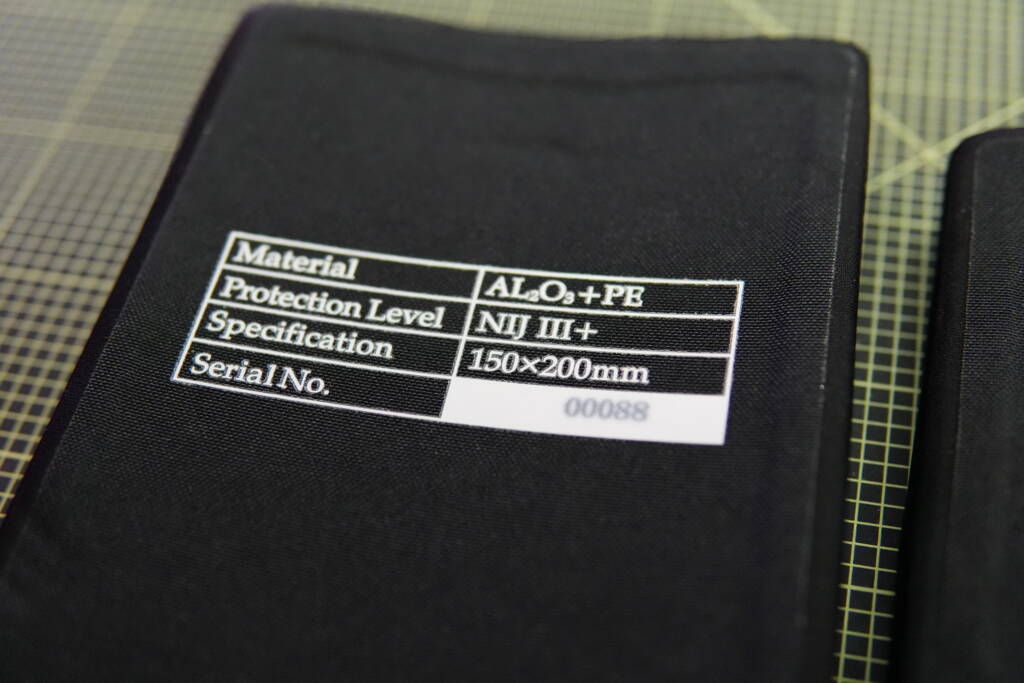
Important:
Level III+ is not an official NIJ category.
Manufacturers typically use the term to indicate additional testing against:
- 5.56×45 M855 (steel penetrator)
Because it is not standardized, always check:
- What ammunition was tested
- Independent certification
- Backface deformation values
“III+” can mean enhanced protection — or just marketing.
What is Level IV Body Armor?
Level IV plates are designed to stop:
- .30-06 M2 armor-piercing rounds
This is a military-level threat.
Level IV plates are:
- Heavier
- Thicker
- Typically ceramic-based
- More expensive
Unless you face credible armor-piercing rifle threats, Level IV may be excessive for civilian use.
Hard Armor vs Soft Armor: What’s the Difference?
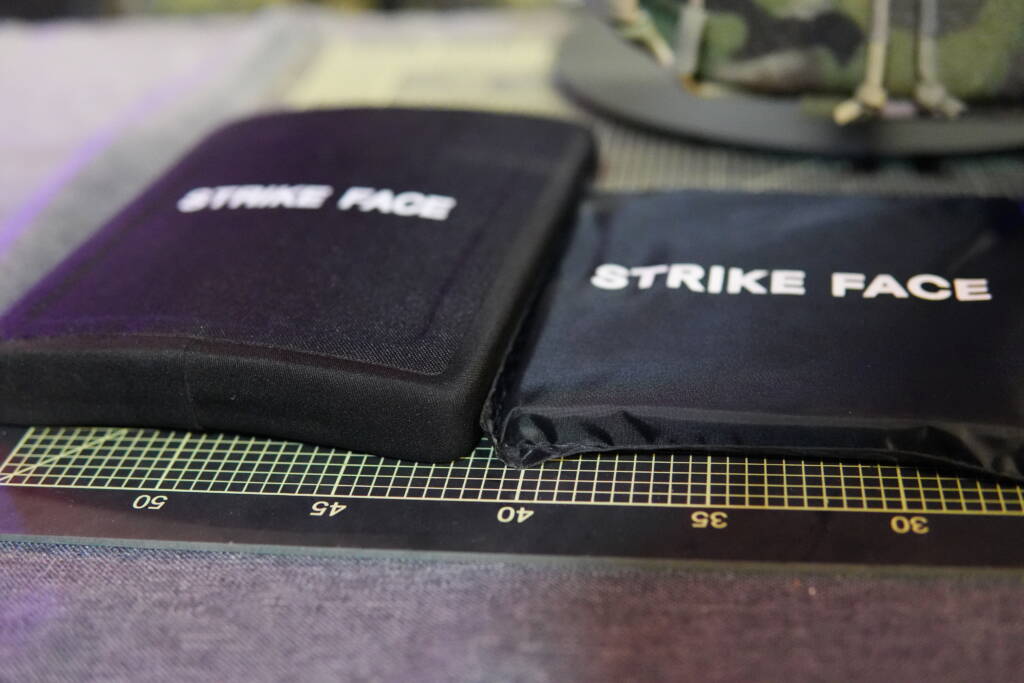
Soft Armor (NIJ IIIA)
Soft armor is:
- Flexible
- Lightweight
- Designed for handgun protection
However:
Soft armor does not automatically provide certified stab protection.
Stab resistance requires separate testing standards.
Hard Armor Plates
Hard armor plates (UHMWPE or ceramic composite):
- Designed for rifle threats
- Structurally rigid
- Highly penetration-resistant
Because of their thickness and density, hard plates provide strong mechanical resistance against knife penetration.
However:
Unless specifically certified, they are not officially rated as stab armor.
Ceramic vs Steel vs UHMWPE Plates
Steel Plates
Pros:
- Durable
- Affordable
Cons:
- Spalling risk (fragmentation toward neck/face)
- Heavy
- Increasingly outdated
Modern professional armor systems largely avoid steel due to fragmentation concerns.
UHMWPE (Polyethylene)
Pros:
- Extremely lightweight
- No spall risk
Cons:
- Less effective against hardened penetrators
- Sensitive to extreme heat
Ideal for lightweight civilian setups.
Ceramic + PE Hybrid Plates
The current professional standard.
Ceramic disrupts the projectile.
PE backing absorbs residual energy.
Offers an excellent protection-to-weight ratio.
Military Evolution: From Fragmentation Vests to Modular Plate Carriers
Older military vests focused mainly on fragmentation protection.
Modern systems used by:
- United States (SAPI / ESAPI)
- Germany (MOBAST)
- UK (Virtus)
- Israel and others
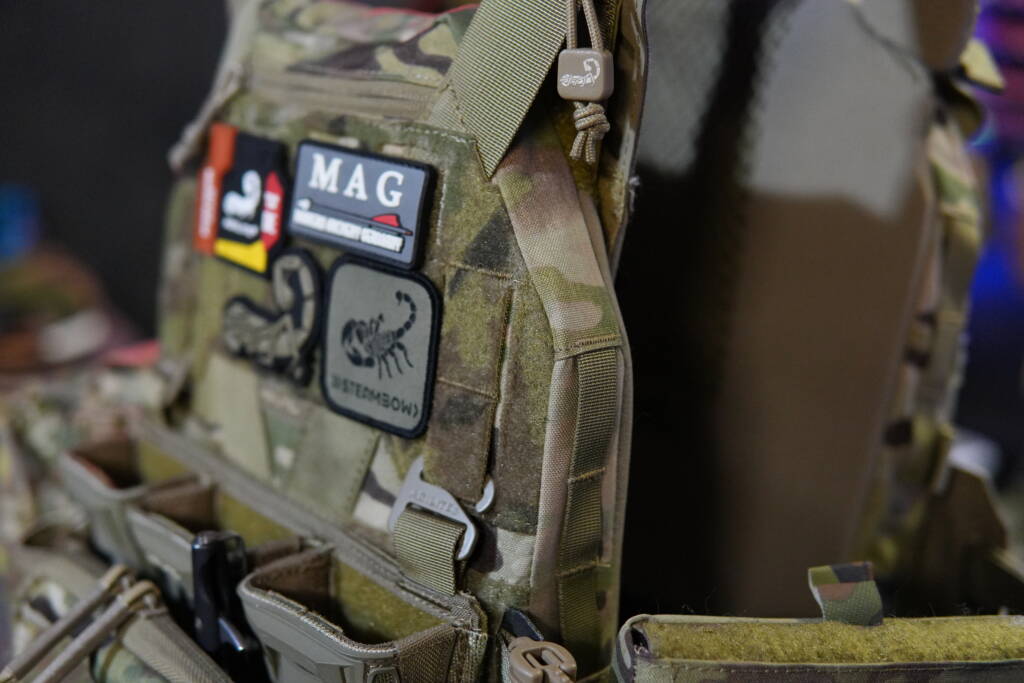
Combine:
- Soft armor
- Hard ballistic plates
- Modular side protection
The global trend is clear:
Scalable, mission-adapted protection.
6×6 vs 6×8 Side Plates: Does Bigger Mean Better?
Side plates typically come in:
- 6×6 inches
- 6×8 inches
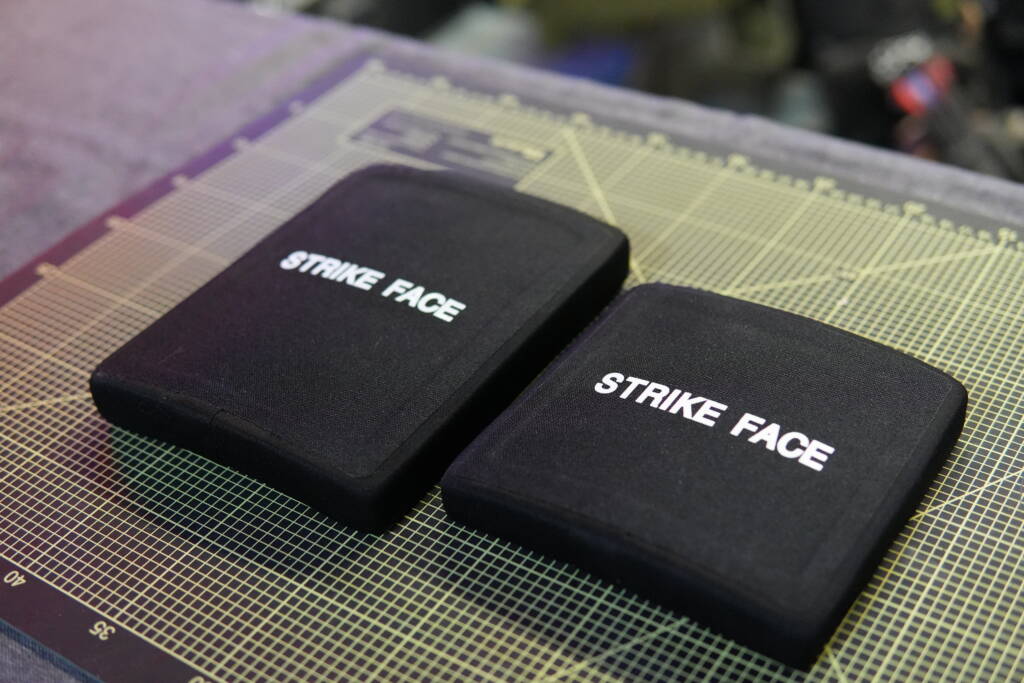
Larger side plates:
- Increase coverage
- Add weight
- Restrict arm movement
Smaller side plates:
- Improve mobility
- Enhance rifle handling
- Reduce fatigue
In dynamic environments, mobility may increase survivability more than marginal additional coverage.
Is Level 4 Necessary for Civilians?
For most civilians in stable countries:
- Rifle attacks are statistically rare
- Armor-piercing threats are extremely unlikely
- Weight and mobility matter significantly
Level III or properly tested III+ plates often provide a realistic balance.
Level IV is appropriate in high-risk professional environments — but not automatically required.
Final Thoughts: Optimization Over Maximization
More protection does not automatically equal more practical safety.
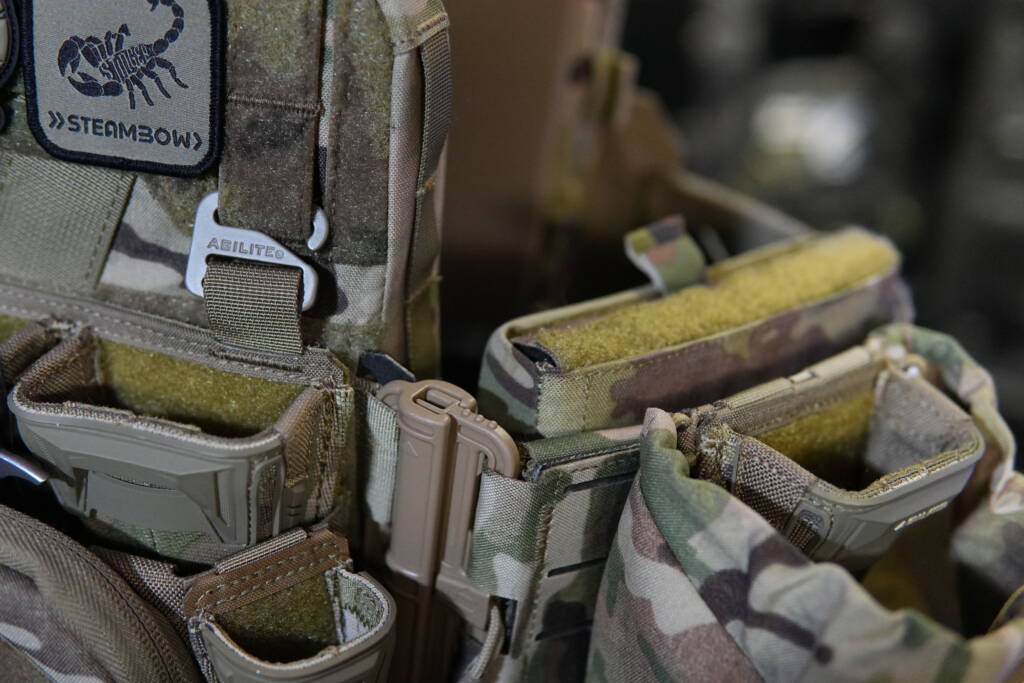
When choosing body armor, consider:
- Realistic threat assessment
- Weight and mobility
- Certified test data
- Complete system integration
Sometimes:
Less weight
Less bulk
More mobility
Leads to better real-world performance.
Frequently Asked Questions (FAQ)
Is Level 4 body armor necessary for civilians?
For most civilians in stable countries, Level 4 body armor is not strictly necessary. Level 4 is designed to stop armor-piercing rifle rounds, which are extremely rare in civilian contexts. Level III or properly tested Level III+ plates often provide a more realistic balance between protection and weight.
What does Level 3+ mean in body armor?
Level III+ is not an official NIJ rating. Manufacturers typically use it to indicate enhanced performance beyond Level III, often including protection against 5.56×45 M855 steel penetrator rounds. Always verify actual test data and independent certification.
What is the difference between hard armor and soft armor?
Soft armor is flexible and primarily designed to stop handgun rounds. Hard armor plates are rigid and built to stop rifle threats. Hard plates generally offer greater penetration resistance but are heavier and less concealable.
Does hard armor protect against knives?
Hard armor plates often provide strong mechanical resistance against knife penetration due to their density and thickness. However, unless specifically certified under stab protection standards, they are not officially rated as stab armor.
Are steel armor plates safe?
Steel plates are durable and affordable but carry a risk of spalling — projectile fragments deflecting toward the neck or face. Modern professional armor systems increasingly favor ceramic or polyethylene plates to reduce this risk.
What is better: 6×6 or 6×8 side plates?
6×8 side plates offer more coverage but add weight and may restrict arm movement. 6×6 plates provide less coverage but significantly improve mobility and comfort. The better choice depends on mission requirements and threat assessment.
Is Level III body armor enough?
Level III plates are designed to stop 7.62×51 NATO FMJ rounds. For most non-military civilian applications, this level of protection is already substantial and sufficient.
What is the advantage of ceramic body armor?
Ceramic plates disrupt and fracture the projectile, while the backing material absorbs energy. This provides excellent protection-to-weight balance compared to steel alternatives.